The first sign was not thirst. It was the cramp that locked my calf during a steady jog, followed by a pounding headache that water alone could not touch. Two liters later, my pulse still ran high and my mouth felt like sand. That afternoon in the clinic, an electrolyte infusion IV turned the tide in under an hour. The experience shaped how I counsel athletes, frequent travelers, and recovering patients: dehydration is not just a water deficit, it is an electrolyte problem. When fluids and salts fall out of sync, symptoms persist. The right IV therapy can reset the system quickly and safely when oral rehydration falls short.
What dehydration does inside the body
Dehydration is a mismatch between fluid loss and intake, and the body notices earlier than most of us do. Blood volume drops, the heart compensates by beating faster, and the kidneys conserve water by concentrating urine. That concentrated urine is not just darker, it carries solutes differently, and the shift affects sodium, potassium, chloride, magnesium, bicarbonate, and phosphate. These ions regulate nerve impulses, muscle contraction, acid-base balance, and cellular energy transport.
Two patterns matter in practice. Hypernatremic dehydration, more common with significant water loss from exertion or heat, raises serum sodium and pulls water out of cells. Hyponatremic dehydration, often due to replacing sweat only with plain water during long sessions, dilutes serum sodium and pushes water into cells. Both cause headache, confusion, and muscle dysfunction, but the physiology and risks differ. Intravenous therapy lets us correct volume and electrolyte composition with precision, especially when nausea, vomiting, or ongoing losses make oral rehydration unreliable.
Why an electrolyte infusion IV helps when water does not
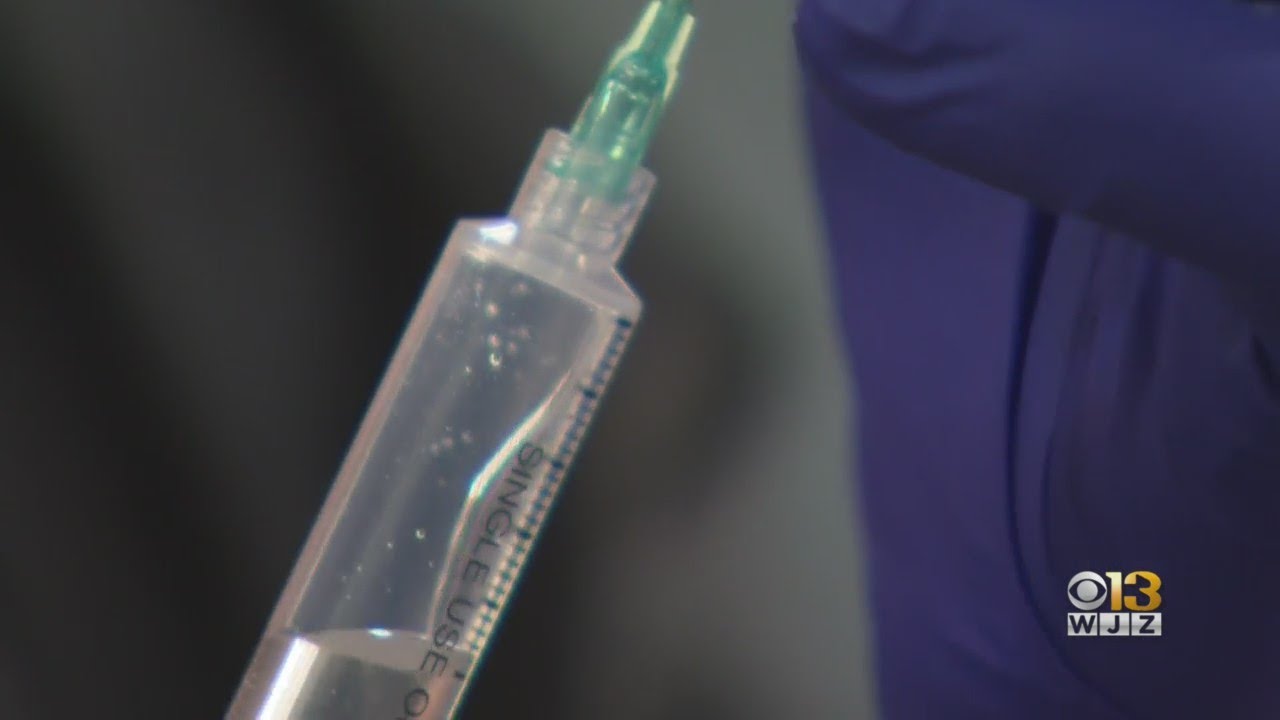
An electrolyte infusion IV bypasses the gut and delivers isotonic or slightly hypertonic fluid directly into the vascular space. The solution is designed to match plasma osmolality, so it expands circulating volume without disrupting gradients across cell membranes. When we combine balanced electrolytes with optional micronutrients or medications, we address the cause and the consequence: restore perfusion, stabilize heart rate and blood pressure, relieve cramps and headache, and support the metabolic recovery that follows dehydration.

This is not overstatement. In emergency rooms, patients with moderate to severe dehydration routinely receive normal saline or balanced crystalloids like lactated Ringer’s or Plasma-Lyte. In outpatient settings, medical-grade iv therapy hydration boost protocols use similar solutions, administered by a qualified clinician, with adjustments to sodium, potassium, and magnesium based on history, vitals, and, when available, point-of-care labs.
What goes into an electrolyte infusion IV
Balanced crystalloids form the base. Normal saline contains 154 mEq/L sodium and 154 mEq/L chloride. Lactated Ringer’s carries sodium, chloride, potassium, calcium, and lactate as a buffer that converts to bicarbonate. Plasma-Lyte includes acetate and gluconate buffers and reduces the chloride load. For straightforward dehydration without metabolic acidosis, any of these can be appropriate. I often favor balanced fluids over normal saline when cramps and headache persist, since lower chloride may reduce the risk of hyperchloremic acidosis and patients tend to feel less “puffy” afterward.
Additions depend on the scenario. Potassium supplementation is modest unless a clear deficit exists from prolonged sweating, diuretics, or gastrointestinal losses. Magnesium, even in small doses, can reduce muscle twitching and cramping. In endurance athletes who sweat heavily, a liter with 20 to 40 mEq of potassium and 1 to 2 grams of magnesium sulfate can make a marked difference in recovery. If nausea is pronounced, an antiemetic like ondansetron may be added. When migraine overlaps with dehydration, some clinics include an iv therapy migraine relief protocol built around fluids, magnesium, and supportive medications. Every additive should be ordered by a clinician who reviews contraindications, such as renal impairment for potassium and magnesium.
Many infusion clinics also offer iv vitamin drip therapy layered onto hydration: B complex and B12 for energy metabolism, vitamin C for antioxidant support, and trace minerals like zinc and selenium. These fit within iv therapy wellness treatment options and can be appropriate for patients whose intake has been low during illness or travel. I emphasize that electrolytes fix dehydration, while vitamins and antioxidants support recovery. Patients feel the difference, usually within 30 to 60 minutes, as perfusion improves and the headache eases.
Use cases that benefit most
Not every dry mouth needs a needle. Most mild dehydration responds to oral fluids and a salty snack. The inflection points are practicality and physiology: persistent vomiting, severe diarrhea, heat illness, heavy sweat loss with cramps and dizziness, or recovery after a gastrointestinal bug or food poisoning when oral rehydration triggers more nausea. Marathoners and team athletes hit this wall after hard efforts, and an iv therapy post workout recovery plan with a true electrolyte infusion can shorten the misery of the next day. Outdoor workers and firefighters face similar situations after long shifts in heat. Frequent flyers land with D.O.S.E Medspa - Weightloss and HRT weight loss IL jet lag, dry air exposure, and poor intake, then head straight into meetings. In those cases, iv therapy travel recovery with balanced fluids helps reset hydration and blood pressure faster than sipping water between flights.
Illness recovery also stands out. Patients emerging from influenza or a stomach bug with low appetite and ongoing losses do better with a one-time infusion than forcing oral intake while lightheaded. In my practice, iv therapy flu recovery and iv therapy stomach bug recovery protocols rely on cautious volumes, 500 to 1,000 mL, with magnesium and a small potassium dose if indicated. Patients often nap during the drip and wake up clearer, hungry again, and no longer chasing a moving target.
What an appointment looks like, without the fluff
Effective iv therapy sessions start like any medical encounter. A nurse asks targeted questions about symptoms, duration, fluid intake, urine output, sweat losses, medications, and medical history. We check vitals, examine for orthostatic changes, assess mucous membranes and skin turgor, listen to heart and lungs, and screen for red flags like chest pain, severe shortness of breath, confusion, or signs of shock. Those findings dictate where care happens. True red flags go to the emergency department.
In a clinic, the iv therapy nurse administered process includes confirming allergies and obtaining consent. A peripheral IV is placed, usually in the forearm or hand. The team selects the fluid based on need: normal saline for brisk volume expansion, or a balanced crystalloid for a more physiologic profile. If we add minerals or medications, a clinician verifies dosing. Infusions typically run over 30 to 90 minutes, slower if the patient is smaller or has a cardiac history. During the drip, we monitor heart rate, blood pressure, and comfort. If the patient requests, some clinics integrate a tailored micronutrient blend, a mild iv therapy antioxidant drip, or a glutathione infusion at the tail end, though I reserve glutathione for specific indications and counsel that its benefits are supportive, not curative.
Patients often ask whether they need a myers cocktail iv therapy for dehydration. The classic Myers Cocktail includes magnesium, calcium, B vitamins, and vitamin C. It can be a part of iv cocktail therapy when fatigue and micronutrient depletion coexist, but electrolytes remain the priority for dehydration. I frame it as layers: base hydration first, optional vitamin infusion second. Personalized iv therapy comes from matching these layers to symptoms, history, and lab context, not from piling on ingredients.
How fast relief arrives, and what it feels like
In straightforward dehydration, the first ten minutes often bring a sense of relief. The tight band around the head loosens, the mouth moistens, and lightheadedness eases when standing. Fifteen to thirty minutes in, heart rate declines toward baseline as volume expands and baroreceptors stop sounding the alarm. Cramps soften as magnesium enters the bloodstream and muscles stop misfiring. If nausea drove the visit, an antiemetic plus restoration of volume usually quiets the stomach. Most patients finish a liter feeling warmer in their hands and feet and clearer in thought.
This arc changes when electrolyte abnormalities are complex. Severe hyponatremia, often from overhydrating with plain water during long events, is not a problem to fix quickly in an outpatient iv therapy drip clinic. Rapid correction risks neurologic injury. That scenario belongs in a hospital with labs and careful sodium correction, often with hypertonic saline. Conversely, heat stroke is a medical emergency with core temperature control needs beyond an infusion clinic. A reputable, doctor supervised service will triage these correctly and coordinate transfer.
Choosing the right setting and clinician
Medical grade hydration is not just about clean chairs and friendly staff. Look for iv therapy medical treatment protocols that include pre-infusion screening, vital signs, and clear inclusion and exclusion criteria. Experienced clinics maintain iv therapy doctor supervised oversight, even when an RN performs the cannulation and monitoring. Ask about their approach to patients with kidney disease, heart failure, or uncontrolled hypertension, and how they handle a vasovagal reaction or infiltration. Good teams stabilize, elevate legs, adjust flow rates, and know when to stop or escalate.
On scheduling, modern practices accommodate life’s surprises. If you are coming off a red-eye or a hard event, iv therapy same day appointment capacity matters. Many clinics hold a few slots daily for iv therapy walk in needs. Online iv therapy booking streamlines the process, but a quick call can confirm capacity and whether your situation fits. If you are actively vomiting or fainting, do not drive yourself. Hydration can wait for safe transport.
Safety, limits, and when to avoid IVs
More is not better. Excess fluid can worsen swelling, trigger shortness of breath in susceptible patients, or dilute sodium too rapidly if inappropriate solutions are chosen. Electrolyte infusions should be dosed, not guessed. Kidney disease changes how we handle potassium and magnesium. Heart failure changes how we handle volume. If you have these conditions, disclose them. Clinicians will adjust by reducing volume, choosing specific solutions, and running slower. Patients on ACE inhibitors, ARBs, or potassium-sparing diuretics need particular caution with potassium.
Bruising, infiltration, and phlebitis are minor but real risks. Infection risk is low with proper technique, but sterility matters. If you develop increasing pain, redness, warmth, or streaking along the vein afterward, notify the clinic. Dizziness after standing up can still occur if you were severely depleted or if you stand too fast post-infusion. Sit a moment, hydrate orally, and eat a small, salty snack if tolerated.
There is also a behavioral risk. People sometimes treat iv therapy wellness infusion as a license to underhydrate day to day. I caution against this. IVs are a tool, not a habit. Reserve them for situations where oral hydration fails, losses are ongoing, or rapid functional recovery has real stakes, such as competition, travel obligations, or sickness recovery.
Tailoring the infusion to your context
Personalized iv therapy begins with listening. A 24-year-old soccer midfielder who cramped through extra time has different needs than a 58-year-old business traveler nauseated after a stomach virus. For athletes, iv therapy performance optimization after a hot match might include a liter of balanced fluid with 20 to 40 mEq potassium, 1 to 2 grams magnesium, and a light dose of B complex. For illness recovery, a liter may be too much for a smaller patient; 500 to 750 mL at a gentle rate with antiemetic support and electrolyte repletion might be perfect.
Some clinics bundle options as iv therapy recovery drip, iv therapy energy boost drip, or iv therapy immune boost drip. I prefer clarity over branding. The labels can help with iv therapy appointments and quick communication, but the formulation should pivot to your symptoms and vitals. During heavy training blocks, a plan for iv therapy endurance support or iv therapy muscle recovery might schedule a targeted infusion after the longest session, then switch to oral strategies for routine days. For patients prone to migraines after dehydration, a customized plan that combines hydration, magnesium, and triggers counseling often reduces frequency and severity more than any single drip.
What to do before and after your session
Preparation improves outcomes. Try to drink what you can before arrival, even if small sips. Eat a light, salty snack an hour or two ahead if nausea allows. Wear loose sleeves. Bring a list of medications and recent lab results if you have them. Expect to answer questions about urine output, stool frequency, and any over-the-counter remedies you took. If you used NSAIDs to fight a dehydration headache, mention timing and dose.
Recovery starts as the drip finishes. Stand up slowly. Pause and assess how you feel. Plan a simple meal within two hours, with balanced carbs, protein, and electrolytes. Keep sipping fluids, not just plain water. Oral rehydration solutions or broth help lock in the gains, especially after gastroenteritis. If you are an athlete, delay heavy training for at least a day if you had significant cramps or dizziness. The body still needs time to normalize.
How IV therapy fits within preventive care
Dehydration is episodic for most people, but patterns matter. If you consistently finish workouts with a pounding headache, track sweat rate: weigh yourself before and after a training hour. Each pound lost approximates 16 ounces of fluid. If you lose more than 2 percent of body weight, performance and cognition fall off. Create a plan: prehydrate, sip during exercise, and replace 125 to 150 percent of losses over the next 4 to 6 hours. Salt your meals when training in heat. Use an electrolyte drink rather than plain water beyond an hour of steady sweating. These basics often prevent the need for iv therapy dehydration treatment in the first place.
For travelers, pack oral rehydration salts, set reminders to drink on long flights, and temper alcohol intake on arrival days. For patients with conditions that raise fluid needs, such as ostomies or short bowel, coordinate with your clinician on both home oral strategies and contingency planning for iv therapy same day support if you hit a rough patch. In this preventive frame, iv therapy wellness maintenance becomes targeted rather than routine. Monthly sessions without cause rarely add value. Periodic, situational infusions tied to known stressors can.

Cost, value, and realistic expectations
Costs vary by region and clinic, often falling in the 150 to 350 dollar range for basic hydration, with supplements adding to the bill. Insurance may cover medically necessary infusions in a physician’s office but not wellness packages. Weigh the expense against the impact: an hour saved before a critical meeting, a race recovered without missing work, an illness eased enough to rehydrate and sleep. That is where iv therapy health benefits feel tangible.
Be skeptical of grand claims. An iv therapy detox drip does not purge toxins in any magical way. The liver and kidneys do the heavy lifting, and hydration supports them. Iv therapy liver support formulations may include antioxidants that participate in natural detoxification pathways, but they are adjuncts. Likewise, iv therapy anti aging drip marketing tends to overpromise. Hydration improves skin turgor temporarily, and vitamins support collagen production indirectly, yet the effects are modest and depend more on long-term habits. Where these therapies shine is targeted recovery, symptom relief, and a rapid return to baseline when dehydration and its companions knock you off course.
A note on adjuncts: antioxidants and glutathione
There is interest in iv therapy micronutrient infusion as a way to bolster recovery from oxidative stress after exhaustive exercise or illness. Vitamin C, B complex, and minerals can support cellular repair in theory and, anecdotally, patients report less post-exertional malaise when these are added. Glutathione infusion is particularly popular as an iv therapy antioxidant drip. Glutathione is a key intracellular antioxidant, and intravenous dosing raises plasma levels briefly. I reserve it for patients with specific indications, such as those recovering from heavy training blocks or with documented oxidative stress markers in a clinical context, and I describe the evidence as mixed. It is reasonable to try as part of custom iv therapy when the primary goals are hydration and recovery, provided the patient understands it as supportive care.
Special cases and red flags
Dehydration in older adults can present quietly. Less thirst, medications like diuretics, and comorbidities raise the risk. In these patients, an iv therapy medical grade approach with smaller volumes and slow infusion rates is prudent, sometimes with only 250 to 500 mL at a time. Check orthostatics again at the end. For patients with diabetes, hyperglycemia drives osmotic diuresis, and fluids help, but ketones and acid-base status matter. Infusion clinics should screen and coordinate with primary care or urgent care if blood sugars are high.
Food poisoning and stomach flu blur into one another. With food poisoning recovery, symptoms may be more abrupt, with cramps and diarrhea dominating. If stools are bloody, fever is high, or you have severe abdominal pain, seek medical evaluation before booking any infusion. With a stomach bug, hydration plus antiemetics and rest are usually enough. If diarrhea lasts beyond 48 to 72 hours, or you cannot keep down sips for 8 to 12 hours, seek care.
Migraine and dehydration are familiar partners. Some patients feel an aura worsen as they dehydrate. iv therapy headache relief protocols that combine fluids, magnesium, and an antiemetic can break the cycle. If you notice new neurologic symptoms, the worst headache of your life, or a headache after head trauma, skip the drip and go to the emergency department.
Practical comparison: oral rehydration, sports drinks, and IVs
Oral rehydration solutions (ORS) use glucose to co-transport sodium across the gut, improving water absorption. They are outstanding for diarrhea-related dehydration. Sports drinks target palatability and performance, delivering moderate sodium and carbohydrates for ongoing exercise. For post-exertion cramps or when you are mildly dehydrated, ORS or a salty snack with water often beats a liter of plain water. IVs sidestep the gut entirely and deliver predictable, rapid volume and electrolyte correction when the gut is not cooperating or when timing matters.
Think of these as tools. If you can drink and keep it down, start there. If you cannot, do not wait too long to escalate. That is where iv therapy treatment options in an infusion clinic add value. Use a clinic with trained staff, strong protocols, and the judgment to say no when the situation belongs in a higher level of care.
Bringing it together: a smart plan for the next hard day
A well-designed electrolyte infusion IV corrects dehydration at its root, not just its symptoms. It uses fluids that match plasma, replaces key ions, and, when appropriate, layers in micronutrients that support recovery. The best experiences are calm, efficient, and medical: nurse administered, doctor supervised, and right-sized to your physiology. Clinics that respect triage, safety, and honest expectations tend to deliver the quickest relief.
If you anticipate a dehydrating event, plan the basics first: prehydrate with electrolytes, fuel appropriately, and set cues to drink. If you misjudge or get sick, book iv therapy same day support with a reputable iv therapy infusion clinic. Ask for balanced crystalloids, discuss potassium and magnesium based on your history, and decide together whether to include a vitamin infusion drip. Sit back for an hour, breathe, and let the fluid do its job. When you stand, test your legs, then reinforce the gains with a salty meal and steady sips.
Below is a short readiness checklist I use with patients after a tough session or travel day.
- Can you keep down fluids without worsening nausea? Are you lightheaded on standing or having persistent cramps despite oral electrolytes? Do you have significant diarrhea or vomiting beyond 8 to 12 hours? Do you have medical conditions that change fluid handling, such as heart or kidney disease? Do you need to be functional within hours for work, competition, or caregiving?
If the second or third answer is yes, or if timing is critical, an iv therapy electrolyte infusion is a reasonable next step. If the fourth answer is yes, make sure the clinic is truly medical grade and that a clinician adjusts your plan. If the first answer is no, try oral rehydration first and give it some time.
I still remember leaving that clinic after my own infusion, hunger returning like a friend I had not seen in days. My head cleared. The headache faded to a memory. I walked to a nearby deli for soup and a roll, then slept hard that night. Since then, I have seen the same pattern across hundreds of appointments. When chosen thoughtfully and administered with care, iv therapy electrolyte infusion rebalances and revives faster than any shortcut I know, not because it is exotic, but because it is physiologic.